To the American Association of Nurse Practitioners
Wendy Moore

Nurse practitioners are often the first and sometimes the only clinical relationship a woman has. AANP sets the continuing education agenda for more than 355,000 of them. Getting lipedema into that agenda changes what happens in the room before a woman ever knows she needs a diagnosis.
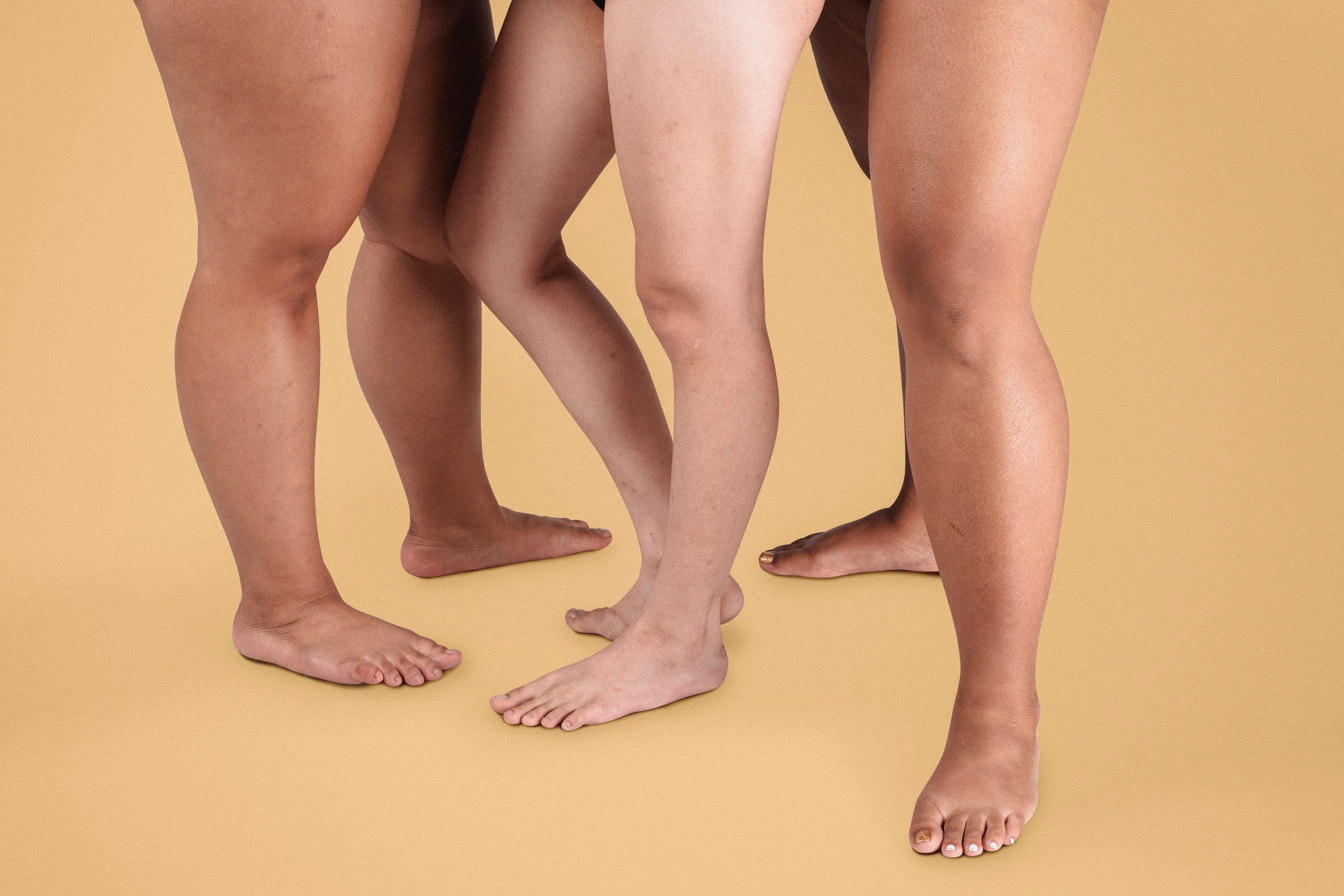
Lipedema is a chronic, progressive adipose tissue disorder affecting an estimated 1 in 9 women, rooted in vascular, hormonal, and lymphatic dysfunction. It causes disproportionate fat accumulation in the legs and sometimes the arms, triggered and worsened at hormonal transition points — puberty, pregnancy, perimenopause. It does not respond to diet or exercise. It is almost universally misdiagnosed as obesity, and when swelling is present, clinicians who know to look for lymphedema often rule it out and stop there. Lipedema is not lymphedema. Ruling out one does not rule out the other. The average time from onset to correct diagnosis is over a decade.
That decade is not a gap in care. It is the injury.
When a nurse practitioner tells a woman with lipedema to lose weight, that answer carries clinical authority. She believes it. She tries to comply. Nothing works — not because she isn't trying, but because the tissue itself does not respond that way. Each failure lands as personal. The documented consequences include depression, disordered eating, and avoidance of medical care altogether. Women with lipedema stop reporting symptoms. They stop coming in. The condition progresses — through pregnancy, through perimenopause — untreated and unnamed.
And increasingly, they are finding their diagnosis on Instagram. Not because social media is a reliable healthcare system, but because the clinical one failed them first. When women are getting more accurate information from their phone than from their provider, that is not a social media problem. It is a clinical education problem.
We are writing to ask that AANP incorporate lipedema into its continuing education programming — clinical recognition, differential from general obesity, appropriate referral pathways, and the documented harms of misdiagnosis. The condition does not require a specialist to recognize. It requires a clinician who knows it exists.
Every NP who leaves a conference with lipedema on their radar is a potential point of recognition for a woman who has spent years being told the wrong thing by someone with a credential. Every one who doesn't is another decade of wrong answers with a clinical signature on them.
Connective Truth is an education and advocacy initiative of the Moore Family Charitable Foundation. We welcome a conversation about how to build this into AANP's existing programming.
Support this message by signing it below.
The more voices we have, the harder it will be for the Nursing industry to ignore.