To Body Confident Sport
Wendy Moore

Dove's Campaign for Real Beauty turns twenty-two this year. It challenged what the beauty industry was telling women about their bodies. That took resources and courage. Nike has spent decades telling women their bodies are capable of more than they believe. Together, Dove and Nike co-developed Body Confident Sport to reach girls before they lose faith in what their bodies can do.
This letter is written to both of you because together, you have the credibility and the reach to address what follows.
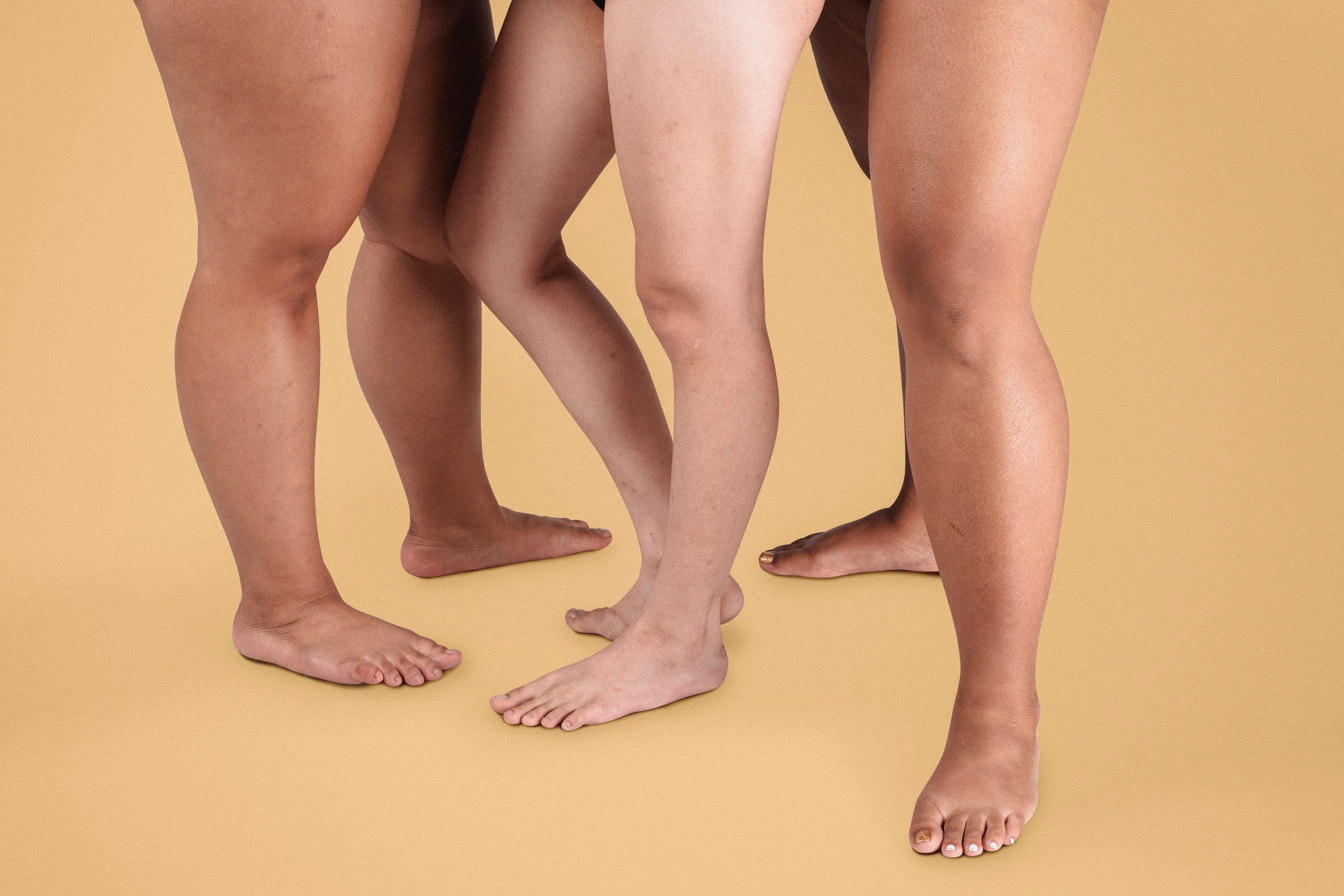
Dove’s “These Legs” campaign celebrates girls’ participation in sport. Body Confident Sport teaches girls to notice physical sensations and respond to their bodies’ needs. But a girl can follow that guidance and still have no reason to question what she considers normal. She notices that her legs hurt. She rests. She returns to sport. Nothing in that sequence necessarily tells her that the pain deserves an explanation. She cannot feel another girl’s legs to compare them with her own. What gives her—and her coach—a reason to recognize a possible condition? That is where lipedema education belongs: alongside listening, so that a familiar experience does not remain an unexplained one.
There is a consequential difference between a girl who needs support with body confidence and a girl whose physical experience needs a medical explanation. She may need both. She may also have no question to ask: the pain is familiar, the shape of her legs is familiar, and accepting her body seems like the answer. She deserves that confidence. She also deserves the knowledge that could change her understanding of what she is accepting. Otherwise, a condition can remain unrecognized even as she feels better about herself.
Lipedema is an underrecognized condition affecting an estimated 1 in 9 women worldwide. It involves abnormal fat accumulation, usually in the legs, hips, and lower body, and sometimes the arms. It can cause pain, tenderness, heaviness, and easy bruising. Affected areas may not respond to diet and exercise as expected. Symptoms can begin around puberty, although recognition may come much later. A girl living with those symptoms may have no reason to distinguish them from ordinary bodily experience.
Exercise programming needs to account for pain, swelling, and individual limitations. A girl can gain confidence, listen to her body, and still need care for a condition she has never heard of.
She belongs in the audience you are trying to reach.
Body positivity is incomplete when acceptance becomes the end of the inquiry. Dove brings twenty-two years of cultural authority on women’s bodies. Nike brings decades of authority on athletic performance. That reach can make a missing medical explanation visible.
For a girl who has been told that effort explains her body, confidence offers relief from blame. But replacing self-blame with self-acceptance can still leave the medical explanation missing. She deserves that explanation too.
When two of the world’s most recognized names in beauty and athletic performance speak about bodies, their messages carry weight. That influence reaches beyond the girls watching a campaign.
Body Confident Sport also reaches coaches, teachers, parents, and other adults who support young people in sport. Those adults need more than a way to encourage listening. They need to recognize when a girl’s account of what is normal for her warrants further investigation, even when she is not asking for help.
The Body Confident Athletes program targets girls ages 11 to 17. Lipedema can first emerge during adolescence. That makes recognition relevant to the work you are already doing. The question is how to equip adults to take physical symptoms seriously without expecting them to diagnose—and without expecting a girl to arrive already knowing that she might have a medical condition.
Dove built Real Beauty by challenging the standards women were taught to judge themselves against. This letter asks Dove and Nike to address another assumption: that a familiar bodily experience is necessarily an ordinary one. A woman’s concern about her body is not always a confidence problem. Sometimes it is an observation that deserves medical attention. Sometimes she has accepted the experience so completely that she has no concern to raise. Recognition cannot depend on her already knowing something is wrong.
Connective Truth is an education and advocacy initiative under the Moore Family Charitable Foundation that examines why women do not recognize lipedema, how cultural messages shape their understanding of their bodies, and how education can make another explanation available.
Make lipedema recognition part of Body Confident Sport. Give girls and coaches language for symptoms that may otherwise pass as ordinary, and guidance on when to seek medical evaluation. We are ready to contribute to that work.
Support this message by signing it below.
Girls deserve body confidence and recognition of conditions like lipedema. Sign this letter calling on Dove and Nike to make lipedema awareness part of Body Confident Sport.